The Ultimate Guide to Welding Helmet Maintenance and Longevity
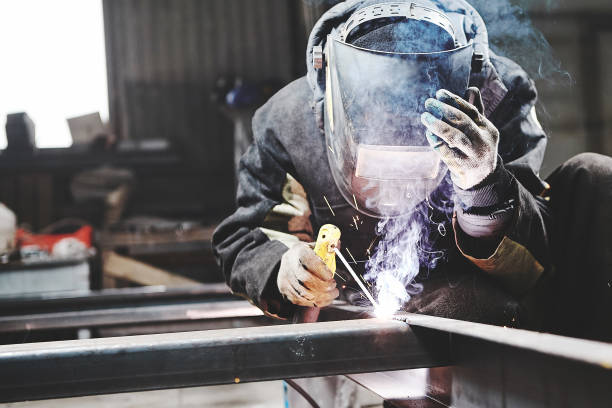
Welding helmets are the most critical piece of personal protective equipment (PPE) in a welder’s arsenal. While many professionals focus on the technical specifications of a new purchase, the long-term performance and safety of the device depend entirely on rigorous maintenance. A well-maintained helmet doesn’t just last longer; it ensures the integrity of the Auto-Darkening Filter (ADF) and protects the user from irreversible ocular damage caused by UV and IR radiation.
The Critical Importance of Welding Helmet Maintenance
Maintenance is not merely about cleanliness; it is about functional reliability. Over time, welding environments subject equipment to extreme heat, metallic dust, and intense radiation. Without a structured care protocol, the sensors that trigger the darkening process can become sluggish or fail entirely, leading to “arc flash” and significant eye strain.
Safety and Visual Clarity
The primary goal of maintenance is to preserve the optical class of the lens. Scratches or pits on the cover lens diffuse light, creating a hazy view of the weld puddle. This lack of clarity often forces welders to get closer to the arc, increasing exposure to fumes and heat. By maintaining a pristine lens, you ensure the highest level of precision in your work while keeping your physiological health intact.
Economic Value and Equipment Lifespan
High-end auto-darkening helmets represent a significant investment. By implementing the “Vertical Expansion” of maintenance tasks—moving beyond simple wiping to internal sensor checks and seal inspections—you can effectively double the service life of the unit. This reduces the total cost of ownership and prevents the need for emergency replacements during critical projects.

Essential Daily and Weekly Maintenance Routines
Consistency is the hallmark of a professional welder. Maintenance should be divided into daily inspections and weekly deep-cleans to ensure no component is overlooked.
Lens and Cover Plate Care
The outer cover lens is the first line of defense against spatter. It should be inspected daily. If you notice deep pits or cracks, replace it immediately. For cleaning, never use abrasive cloths or industrial solvents that can strip the protective coatings. Instead, use a specialized lens cleaner or a mild soap solution with a microfiber cloth.
Headgear and Suspension Systems
The suspension system is often ignored until it breaks. Weekly, you should check the ratcheting mechanism and the sweatbands. A loose helmet can slip during a weld, exposing the eyes, while a helmet that is too tight causes fatigue and headaches. Lubricate moving plastic parts with a dry silicone spray if they become stiff, and replace sweatbands regularly to maintain hygiene.
| Component | Action Required | Frequency |
|---|---|---|
| Outer Cover Lens | Inspect for spatter/cracks | Daily |
| ADF Sensors | Wipe with lint-free cloth | Daily |
| Sweatband | Wash or replace | Weekly |
| Battery Check | Test ADF trigger | Monthly |
| Internal Seals | Check for light leaks | Monthly |
Advanced Care for Auto-Darkening Filters (ADF)
The Auto-Darkening Filter is the “brain” of the helmet. It contains liquid crystal layers, sensors, and electronic circuitry that must be treated with extreme care.
Sensor Obstruction and Sensitivity
Even a thin layer of fine dust on the sensors can prevent the helmet from darkening. Use a soft-bristled brush or compressed air at low pressure to clear the sensor ports. Additionally, if your helmet features adjustable sensitivity, test it in your specific lighting environment to ensure it isn’t being “fooled” by overhead lights or sunlight, which can wear out the battery and the LCD faster.
Battery Management and Storage
Many modern helmets use a combination of solar cells and replaceable lithium batteries. If the helmet is stored in a dark locker for months, the battery may drain completely. Store your helmet in a clean, dry bag in an area with ambient light to keep the solar cells active. If your helmet has a “Grind Mode,” always ensure it is switched back to “Weld” before storage to prevent accidental battery drain.
Pro Tips for Professional Maintenance
- The Flashlight Test: Periodically shine a bright flashlight at the sensors while wearing the helmet to ensure the ADF reacts instantly and consistently across the entire lens.
- Seal Integrity: Inspect the gasket that holds the ADF in place. If the seal is compromised, fine metallic dust can enter the electronics, causing a short circuit.
- Avoid Heat Soaking: Never leave your helmet on a hot workpiece or inside a vehicle in direct sunlight, as extreme heat can delaminate the LCD layers.
Frequently Asked Questions (FAQ)
- How often should I replace my outer cover lens?
- There is no fixed schedule; it depends on your welding process. For high-spatter MIG welding, you may need a new lens every week. For TIG welding, it may last months. Replace it as soon as visual clarity is diminished.
- Can I use Windex to clean my auto-darkening lens?
- No. Ammonia-based cleaners can damage the specialized coatings on the lens. Use only water and mild soap or cleaners specifically labeled for optical electronics.
- Why does my helmet flicker while I am welding?
- This is usually caused by dirty sensors, low batteries, or an obstructed view of the arc. Clean the sensors first; if the flickering persists, replace the batteries or increase the sensitivity setting.
- What is the best way to store a welding helmet?
- Store it in a dedicated helmet bag to prevent dust accumulation and scratches. Keep it in a climate-controlled environment to protect the electronic components from moisture and extreme temperature swings.
- How do I know if my ADF is failing?
- Signs of failure include “dead spots” (areas that don’t darken), slow response times, or a lens that stays dark even when the arc is extinguished. If any of these occur, the helmet is unsafe for use.
Technical and safety note: This article is for general editorial information only. Welding, electrical, respiratory, home repair, grooming, child-safety, material-science, and building topics should be checked against current standards, manufacturer instructions, local codes, and qualified professionals before use.
- The Ultimate Guide to Welding Helmet Safety Certifications: ANSI Z87.1 & CE Explained
- The Ultimate Guide to Custom Welding Helmets: Personalization, Accessory Upgrades, and Workflow Optimization