Complete UV & IR Protection Guide for Welding Professionals
Understanding the Invisible Threat of Welding Radiation
Welding operations generate a lethal spectrum of electromagnetic radiation, primarily consisting of Ultraviolet (UV) and Infrared (IR) light. While the visible arc is obvious, the invisible radiation is the primary cause of chronic and acute occupational injuries. Professionals often focus solely on the welding helmet, ignoring the fact that radiation reflects off surfaces and penetrates standard protective gear.
The Spectrum of Danger
- UVC (100–280 nm): The most hazardous form, causing severe photokeratitis (welder’s flash) and skin erythema.
- UVB (280–315 nm): Highly energetic, contributing significantly to skin aging and potential long-term cellular damage.
- UVA (315–400 nm): Penetrates deeper into the tissue, leading to retinal damage and long-term ocular degradation.
- Infrared (IR): Causes thermal damage, leading to “glassblower’s cataract” and dry eye syndrome through rapid evaporation of the tear film.
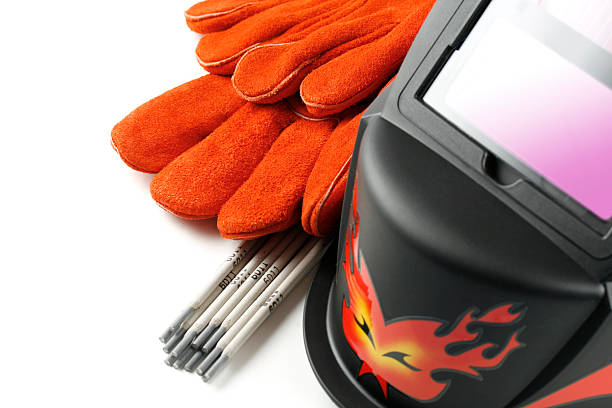
Preventing Photokeratitis and Ocular Injuries
Photokeratitis, commonly known as “welder’s flash,” is essentially a sunburn of the cornea. It occurs when unprotected eyes are exposed to intense UV radiation. The symptoms—often described as having “sand in the eyes”—usually manifest hours after exposure, making immediate prevention critical.
Multi-Layered Eye Protection Strategies
Relying on the darkening feature of an auto-darkening filter (ADF) is insufficient if the seal around the helmet is compromised. Peripheral light leakage is the silent cause of eye injuries for many welders.
- Safety Glasses with UV Coating: Always wear ANSI Z87.1-rated safety glasses under your welding helmet. These act as a secondary filter for reflected radiation.
- The Seal Factor: Ensure your helmet has a proper headgear fit to prevent “bounce-back” radiation from hitting the eyes from the sides or bottom.
- Moisture Retention: Welding environments are often hot and dry, which exacerbates eye irritation. Using preservative-free artificial tears during breaks can help maintain the ocular surface barrier.
Advanced Dermal Protection Protocols
Radiation protection is not limited to the eyes. The skin is susceptible to radiation burns that mimic severe sun exposure, leading to increased risks of skin cancer and premature aging. Exposed skin, even if only for a few seconds, can suffer from “arc burn.”
Operational Best Practices for Skin Safety
| Hazard Type | Primary Defense | Secondary Defense |
|---|---|---|
| Direct Arc Exposure | Flame-resistant (FR) welding jacket | High-neck coverage/Leather bib |
| Reflected UV | FR-treated gloves (gauntlet style) | UV-blocking skin barrier creams |
| Ambient Radiation | Welding curtains/screens | Proper ventilation/Reflective surface reduction |
Environmental Controls and Engineering Solutions
The most effective way to protect workers is to eliminate the source of exposure through environmental management. By controlling the workspace, you reduce the reliance on individual PPE performance.
Strategic Workspace Layout
Implementing physical barriers is a mandatory safety requirement in professional fabrication shops. Welding curtains must be opaque to UV light and positioned to catch reflected rays from walls or metallic equipment.
- Surface Treatment: Use matte-finish paints on shop walls to minimize light reflection.
- Isolation: Utilize dedicated welding cells to prevent “bystander exposure,” where non-welding personnel are exposed to stray radiation.
Frequently Asked Questions (FAQ)
- Q1: Why do my eyes feel gritty after a full day of welding?
- This is likely a mild case of photokeratitis or dry eye syndrome caused by IR-induced evaporation. Ensure your helmet seal is tight and consider using lubricating eye drops.
- Q2: Can I get a sunburn through my welding jacket?
- Yes, if the material is thin or degraded. Always use heavy-duty flame-resistant (FR) leather or cotton treated with flame retardants to ensure total UV blockage.
- Q3: Is an auto-darkening helmet enough for UV protection?
- No. While the lens protects your eyes while the arc is struck, it does not protect the skin around your face or your eyes from ambient radiation during setup or if the helmet is lifted.
- Q4: How often should I replace my welding helmet lens?
- If the protective cover plate is scratched, pitted, or clouded, it must be replaced immediately. Scratches scatter light and decrease the effectiveness of the UV/IR filters.
Technical and safety note: This article is for general editorial information only. Welding, electrical, respiratory, home repair, grooming, child-safety, material-science, and building topics should be checked against current standards, manufacturer instructions, local codes, and qualified professionals before use.
- The Ultimate Guide to Welding Helmet Power Supply Strategies: Indoor vs. Outdoor Optimization
- The Deadly Fog: Solving Welding Helmet Lens Condensation