Material authenticity: how natural materials define the character of a space
In architecture and interior design, materials are not merely a means of constructing space; they are crucial factors in shaping its atmosphere and living experience. Material honesty emphasizes the use of natural, unvarnished materials to reveal their essential characteristics, allowing their inherent texture, color, and grain to become the language of the space. This design concept not only impacts visual perception but also fosters tactile and psychological comfort, thereby creating a unique spatial character.
Design philosophy of material authenticity
Design concept centered on essence
Material authenticity emphasizes not concealing the nature of the material itself:
Authentic textures : The grain of wood, the natural speckling of stone, the rough surface of concrete should all retain their original characteristics.
Unity of function and aesthetics : The structural characteristics of the material are closely integrated with its use function. For example, the hardness of stone is suitable for floors, and the warmth of wood is suitable for furniture and walls.
Simple but not simplistic : Create visual hierarchy through the texture and color of the material itself rather than relying on complex decoration.
This concept reflects the designer’s respect for the essence of materials and also enhances the uniqueness of the space.
Cultural and emotional value
Natural materials not only convey physical properties, but also carry cultural and emotional values:
Sense of history : Stone and wood often have a sense of age, giving the space a sense of historical continuity.
Emotional connection : The tactile warmth of wood or the ruggedness of stone can evoke a sense of comfort and security in residents.
Sustainable Awareness : Natural materials are often renewable or recyclable, in line with modern green building and sustainable living concepts.
For example, Scandinavian design often uses logs and natural fibers as the main materials to create a warm and natural living environment while conveying a simple living philosophy.
Common natural materials and spatial characteristics
Wood: Warmth and Layers
Wood is widely used for its rich texture and color variations:
Visual temperature : Light-colored wood creates a bright and open feeling, while dark-colored wood adds a calm atmosphere.
Tactile Comfort : The warm feel of natural wood enhances the living experience and is suitable for furniture, floors and walls.
Dynamic Change : As time and light change, the color of the wood will naturally evolve, giving the space a sense of life.
Stone: toughness and naturalness
Stone creates a unique atmosphere with its hardness and natural patterns:
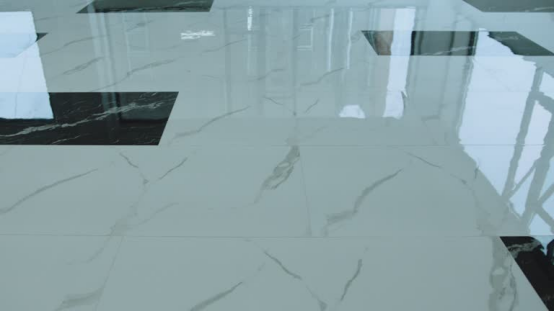
Visual stability : Natural granite, marble or sandstone creates a sense of stability in the space and is suitable for floors, kitchen countertops or bathroom walls.
Texture variation : Each piece of stone is unique, giving the space a natural and artistic feel.
Durability : The durability of stone is suitable for high-frequency use areas and combines functional and aesthetic value.
Concrete: Modern and Industrial Aesthetics
Concrete is often used in modern and industrial spaces in material authenticity design:
Rough texture : retain the rough surface or tiny pores to reflect the original characteristics of the material.
Visual simplicity : Monochrome or natural gray is suitable for large areas of walls or floors, creating a calm and modern atmosphere.
Flexible functionality : it can serve as a load-bearing structure and at the same time as a design element, reducing the need for additional decoration.
Fibers and fabrics: touch and softness
Natural fibers such as cotton, linen, and wool add a soft touch to the space:
Improved comfort : Tactile fabrics are suitable for furniture, curtains, and carpets, enhancing a sense of intimacy.
Gentle colors : Natural fibers have soft colors that can alleviate the cold feeling brought by hard materials.
Sustainable and environmentally friendly : Natural fibers are biodegradable and in line with ecological design concepts.
Material combination and spatial atmosphere
Material authenticity is not the presentation of a single material, but the spatial strategy of combining multiple materials :
Contrast and balance : The combination of wood and stone, concrete and fabric creates a contrast between hard and soft, cold and warm, enhancing the sense of spatial hierarchy.
Color coordination : The original tones of natural materials form harmonious color schemes, avoiding excessive artificial dyeing or covering.
Material echo : Similar material elements are used in different spaces or functional areas to form a unified spatial language.
For example, the use of original wood floors, stone countertops and linen curtains in modern apartments creates a sense of continuity in the materials of the kitchen, living room and bedroom, while creating functional distinctions through differences in texture.
Psychological benefits and living experience
Material selection directly affects the psychological feelings of residents:
Warmth and security : Wood and fibers with a warm touch can relieve tension and enhance living comfort.
Focus and Relaxation : The textures and colors of natural materials attract visual attention and bring a sense of relaxation and pleasure.
Spatial identity : The expression of the essence of the material makes the residents feel real and sincere, and increases psychological identification.
Studies show that living in spaces rich in natural materials reduces stress levels and improves concentration and creativity.
Sustainability and Environmental Responsibility
Material authenticity is closely related to sustainable architecture:
Eco-friendly materials : Natural wood, recycled stone, and natural fibers are often sustainably sourced, reducing the burden on the environment.
Low-energy processing : The processing of natural materials consumes less energy and is more energy-efficient than synthetic materials.
Long life and maintenance : The durability of natural materials reduces frequent replacement and maintenance costs, reducing waste of resources.
This design concept focuses not only on spatial aesthetics but also emphasizes ecological responsibility and long-term quality of life.
Case Study: Material Authenticity in Practice
nordic house
Design features : light-colored original wood floors, stone countertops, linen curtains.
Spatial atmosphere : warm and natural, simple and bright, emphasizing the unity of function and texture.
Modern Apartment in Los Angeles
Design features : concrete walls, wooden furniture, wool carpets.
Spatial atmosphere : The combination of industry and nature creates a calm and comfortable living experience.
Japanese Zen style house
Design features : tatami, bamboo walls, and exposed wooden beams.
Spatial atmosphere : minimalism and natural feeling coexist, enhancing psychological tranquility and concentration.
These cases show that through the authentic presentation of materials, space can simultaneously meet functional, aesthetic and psychological needs.
Design Inspirations from Material Selection
Respect the essence of materials : understand the characteristics and functions of each material and avoid excessive decoration.
Multi-material coordination : enrich the sense of spatial hierarchy through contrast and echo.
Focus on psychological experience : Consider tactile, visual and psychological comfort when selecting materials.
Emphasis on sustainability : Prioritizing the use of renewable, durable and low-energy materials.
Materials are not only the building blocks of space; they are also crucial media that define the living experience, shape psychological comfort, and convey cultural values. By incorporating material authenticity into design, residential and public spaces can imbue themselves with sincerity, warmth, and unique character, fulfilling residents both physically and psychologically.
Technical and safety note: This article is for general editorial information only. Welding, electrical, respiratory, home repair, grooming, child-safety, material-science, and building topics should be checked against current standards, manufacturer instructions, local codes, and qualified professionals before use.
- Dynamic Housing: Designing Flexible Spaces for Changing Needs
- The Indispensable Role of Critical Minerals in Powering Our Sustainable Future