The Ultimate Guide to PAPR Welding Helmets for Confined Space Safety
The Critical Role of Respiratory Protection in Welding
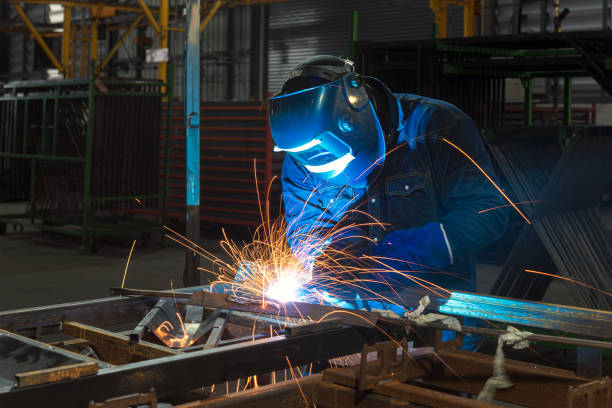
Welding is an inherently hazardous profession, but the risks are magnified exponentially when work is performed in confined spaces. In these environments, toxic fumes, heavy metals, and gases—such as manganese, hexavalent chromium, and ozone—can accumulate rapidly, leading to acute respiratory distress or long-term systemic health issues. A standard welding helmet protects the eyes and face from UV radiation and flying debris, but it is fundamentally insufficient for respiratory safety.
Understanding the Confined Space Hazard
Confined spaces are characterized by limited entry and exit points and are not designed for continuous occupancy. When welding occurs in these areas, the lack of natural ventilation creates a “gas trap.” The reliance on passive ventilation is a high-risk strategy that often fails to meet OSHA standards for air quality. Consequently, the industry has shifted toward active life-support systems to ensure welder survival.
How PAPR Systems Function as Life Support
A Powered Air Purifying Respirator (PAPR) acts as a motorized shield against airborne contaminants. Unlike N95 masks or half-face respirators that rely on negative pressure (the user’s lung power to pull air through a filter), a PAPR system uses a battery-powered blower to force ambient air through high-efficiency particulate air (HEPA) filters, delivering a constant, clean stream of air directly into the helmet.
Core Components of a PAPR Welding Unit
- The Blower Unit: A belt-mounted motor that powers the airflow.
- Filtration System: Multi-stage filters designed to capture both particulate matter and specific welding fumes.
- Air Delivery Hose: A flexible, flame-retardant tube that connects the blower to the headtop.
- Positive Pressure Seal: By maintaining a constant flow of air, the system creates positive pressure inside the helmet, preventing outside contaminated air from leaking in through the edges.

The Synergy of Double Protection: Helmet and PAPR
The integration of a high-performance welding helmet with a PAPR unit creates a unified “double protection” system. This setup is not merely a convenience; it is a critical safety upgrade that addresses both impact resistance and respiratory integrity simultaneously.
Advantages of Integrated Systems
| Feature | Standard Helmet | Integrated PAPR System |
|---|---|---|
| Respiratory Protection | None | High (HEPA/P100) |
| Comfort/Breathing Resistance | N/A | Low (Assisted Airflow) |
| Face Protection | Yes | Yes |
| Confined Space Suitability | Unsafe | Recommended/Required |
By using an integrated system, welders benefit from reduced fogging, as the constant airflow across the lens prevents condensation. Furthermore, the ergonomic design of modern PAPR units reduces the physical strain on the welder’s neck, allowing for longer work durations without sacrificing safety.
Best Practices for Maintenance and Safety Compliance
Even the most advanced PAPR system is only as effective as its maintenance. Neglecting the care of your equipment can lead to filter saturation, reduced airflow, or battery failure, all of which pose an immediate risk in a confined space.
Operational Protocols
- Pre-Shift Inspections: Always perform an airflow test using the manufacturer-provided flow meter before entering a confined space.
- Battery Management: Ensure batteries are fully charged and carry a spare for extended shifts.
- Filter Replacement: Adhere to a strict replacement schedule; do not attempt to clean or reuse filters beyond their rated life.
- Fit Testing: Ensure the headtop seal is properly adjusted to the wearer’s face to maintain the positive pressure environment.
Frequently Asked Questions (FAQ)
- Q1: Is a PAPR system mandatory for all welding?
- While not mandatory for every job, it is highly recommended in environments with poor ventilation or when welding materials that emit toxic fumes like stainless steel or galvanized metal.
- Q2: Can a PAPR be used in oxygen-deficient atmospheres?
- No. PAPR systems are air-purifying, not air-supplying. They cannot be used in atmospheres that are immediately dangerous to life or health (IDLH) or where oxygen levels are below 19.5%.
- Q3: How often should I change my PAPR filters?
- Filters should be changed based on the manufacturer’s guidelines, the type of welding performed, and the presence of any noticeable resistance when breathing or a “low flow” alarm from the unit.
- Q4: Why does the PAPR helmet prevent fogging?
- The constant flow of filtered air creates a steady stream of air across the interior surface of the lens, which prevents moisture from the welder’s breath from settling and condensing on the glass.
Technical and safety note: This article is for general editorial information only. Welding, electrical, respiratory, home repair, grooming, child-safety, material-science, and building topics should be checked against current standards, manufacturer instructions, local codes, and qualified professionals before use.
- True Color Welding Helmets: The End of the Green Matrix
- The Ultimate Guide to Choosing Your First Auto-Darkening Welding Helmet