Zero-Gravity Welding: The Ultimate Guide to Eliminating Neck Pain Through Helmet Weight Balance and Headband Adjustment
The Mechanics of Neck Pain in Welding and the Zero-Gravity Solution
For decades, professional welders have accepted chronic neck pain, stiffness, and upper back fatigue as unavoidable occupational hazards. The traditional welding helmet, while essential for protecting the eyes and face from intense ultraviolet radiation, sparks, and spatter, has historically been a blunt instrument when it comes to ergonomics. The human head weighs approximately 10 to 11 pounds. When you add a front-heavy welding helmet, especially one equipped with a complex Auto-Darkening Filter (ADF) cartridge, the torque applied to the cervical spine multiplies exponentially with every degree of forward tilt. This continuous mechanical stress leads to micro-tears in the neck muscles, compressed cervical discs, and a pervasive sense of fatigue that drastically reduces a welder’s focus and productivity.
Enter the concept of zero-gravity welding. This is not a marketing gimmick or a literal defiance of physics, but rather a sophisticated approach to biomechanical engineering. The zero-gravity effect is achieved when a helmet’s weight is so perfectly distributed across the cranial structure that the neck muscles are no longer forced to act as active counterweights. By neutralizing the forward-pulling torque, the helmet essentially “disappears” from the wearer’s physical awareness, allowing for hours of uninterrupted, pain-free fabrication.
Understanding the Strain of Traditional Helmets
To truly appreciate the zero-gravity solution, one must dissect the failure points of legacy head-mounted welding helmets. Older designs relied on a single, rigid pivot point and a rudimentary sweatband. The entire weight of the shield rested on the front of the forehead and the bridge of the nose. When the welder nodded the hood down, the kinetic energy and sudden stop forced the neck to absorb a localized shockwave. Over a standard eight-hour shift, this repetitive stress leads directly to Musculoskeletal Disorders (MSDs), specifically targeting the levator scapulae and trapezius muscles.
The Paradigm Shift to Zero-Gravity Ergonomics
Modern zero-gravity engineering tackles this problem by rethinking the entire suspension system. Instead of a single strap, these advanced helmets utilize a multi-point halo system that disperses the load across the parietal and occipital bones of the skull. By increasing the surface area of contact, the pressure per square inch is drastically reduced. This structural evolution is the foundational first step in transforming a heavy, cumbersome piece of Personal Protective Equipment (PPE) into an extension of the welder’s own body.
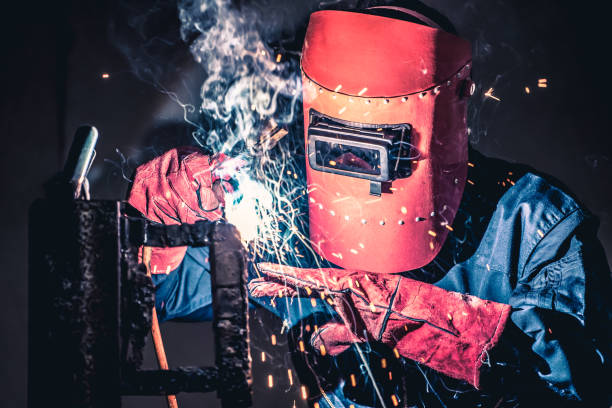
Achieving Perfect Weight Balance in Head-Mounted Welding Helmets
While reducing the overall physical weight of a welding helmet by using advanced lightweight polymers is beneficial, absolute weight is surprisingly less critical than weight distribution. A 1.5-pound helmet with poor balance will cause significantly more neck strain than a 2-pound helmet with a perfectly calibrated Center of Gravity (COG). Perfect weight balance is the core mechanism that allows a welder to say goodbye to neck pain and experience genuine comfort during long-term wear.
When a helmet is perfectly balanced, it aligns with the natural pivot point of the human neck—the atlanto-occipital joint. If the helmet’s COG sits too far forward, the neck muscles must maintain constant tension to keep the head upright. Advanced head-mounted welding helmets solve this by repositioning the pivot mechanism lower and further back on the headgear, bringing the helmet’s mass closer to the body’s natural axis.
The Physics of the Center of Gravity (COG) Shift
The integration of high-definition, panoramic Auto-Darkening Filters naturally adds weight to the front of the helmet. To counteract this, premium helmet manufacturers have redesigned the shell geometry. By sweeping the sides of the helmet back and utilizing heavier, highly durable ratcheting mechanisms at the absolute rear of the headgear, they create a counterweight effect. This active balancing means that whether the hood is locked in the upright position or flipped down for active arc welding, the rotational force on the neck remains close to zero.
| Feature | Traditional Welding Helmets | Zero-Gravity Balanced Helmets |
|---|---|---|
| Center of Gravity | Pushed far forward, resting heavily on the forehead. | Centered directly over the cervical spine. |
| Pivot Point | High and forward on the temples. | Lowered and shifted backward toward the ears. |
| Upright Position Strain | High torque; pulls the welder off balance backward. | Neutralized; feels weightless when locked upright. |
| Long-Term Wearability | Causes severe fatigue and stiffness after 2-3 hours. | Allows for 8+ hours of continuous, pain-free wear. |
As illustrated in the data above, the transition to a balanced system fundamentally alters the physical toll of the profession. Welders who upgrade to balanced systems consistently report an immediate cessation of the sharp neck pains that previously dictated their work-rest cycles.
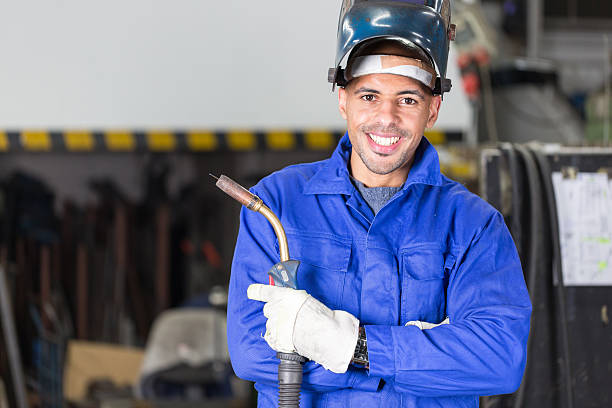
Step-by-Step Guide to Adjusting Your Headband for Maximum Comfort
Purchasing a top-tier, ergonomically balanced welding helmet is only half the battle. If the internal suspension system—the headband—is improperly calibrated, the zero-gravity effect will be completely negated. The human head is highly irregular in shape, meaning out-of-the-box settings are rarely optimal. To make your welding helmet truly disappear from your neck, you must engage in a meticulous, multi-axis adjustment process.
Do not rush this setup. Taking ten minutes to properly calibrate your headgear will yield thousands of hours of pain-free fabrication. The goal is to achieve a snug, secure fit that prevents the helmet from shifting during sudden movements, without applying localized pressure points that restrict blood flow or cause tension headaches.
Phase 1: Crown Strap Calibration (Depth Adjustment)
The crown straps are the bands that run across the top of your head. They dictate how deeply the helmet sits on your skull and represent the most critical adjustment for establishing proper visual alignment.
- Loosen the Rear Ratchet: Before touching the top straps, completely loosen the tension knob at the back of the neck.
- Set the Depth: Adjust the interlocking pins on the top straps so that the primary sweatband rests approximately half an inch above your eyebrows. If it sits too high, the helmet will be top-heavy; if too low, it will compress your nose and restrict breathing.
- Ensure Even Distribution: If your headgear features dual or cross-strap crowns, ensure both are bearing weight equally to prevent the helmet from listing to one side.
Phase 2: Rake and Viewing Angle Adjustments
The rake adjustment controls the tilt of the helmet relative to your face when it is in the down position. This dictates your line of sight through the ADF cartridge.
- Locate the Tilt Pins: Find the multi-position locking pins located on the outside or inside of the temple pivot joints.
- Align with the Workpiece: Adjust the angle so that when you are looking down at a standard bench-welding angle, your eyes are looking squarely through the optical center of the lens. You should not have to strain your eyes upward or tuck your chin uncomfortably deep into your chest.
Phase 3: Distance from the Face
Adjusting how close the helmet sits to your face impacts both weight balance and optical clarity. Moving the helmet closer to your face improves your peripheral vision and shifts the center of gravity backward, reducing neck strain. However, you must leave enough clearance for safety glasses and proper ventilation to prevent the lens from fogging. Slide the headgear forward or backward on its tracks until you find the perfect equilibrium between optical field-of-view and breathability.
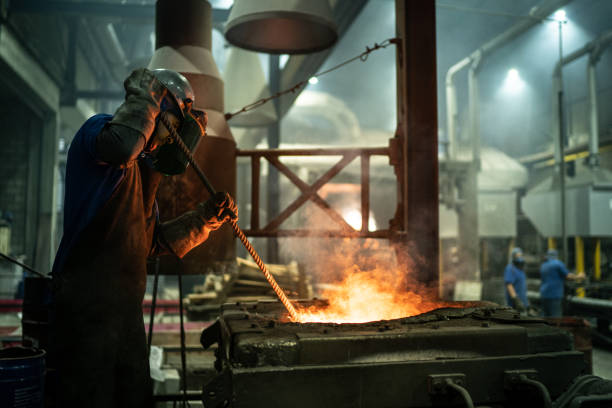
Long-Term Health Benefits and Productivity Gains of Ergonomic Gear
The decision to invest time and capital into achieving a zero-gravity welding setup extends far beyond immediate physical comfort; it is a profound investment in long-term occupational health and career longevity. The compounding effects of daily neck strain do not merely cause temporary soreness; they lead to debilitating, career-ending spinal pathologies. By aggressively mitigating these risks through proper equipment selection and adjustment, welders protect their most valuable asset: their bodies.
Furthermore, the correlation between physical comfort and weld quality cannot be overstated. When a welder is distracted by a pinching headband or a heavy, unbalanced hood pulling at their cervical spine, their fine motor skills degrade. Hand-eye coordination suffers, travel speeds become inconsistent, and the likelihood of porosity or undercut increases. Comfort translates directly to focus.
Preventing Musculoskeletal Disorders (MSDs)
Chronic exposure to unbalanced head weight accelerates the degeneration of cervical discs. Over time, the constant tension can lead to pinched nerves, causing numbness and tingling down the arms—a disastrous condition for a professional who relies on steady hands. By utilizing a helmet that properly distributes weight and supports the natural curvature of the spine, the micro-traumas associated with the “nod down” motion are virtually eliminated.
Boosting Daily Productivity and Focus
Fatigue is the enemy of precision. Welders utilizing optimized, zero-gravity headgear experience a dramatic reduction in late-shift exhaustion. Without the need to constantly remove the helmet to massage cramped neck muscles or wipe away sweat caused by restrictive, poorly fitted bands, arc-on time increases significantly. The psychological relief of knowing your gear will not cause you pain allows for a state of deep concentration, resulting in cleaner, structurally superior welds and a massive reduction in costly rework.
Frequently Asked Questions (FAQ)
- Q1: How tight should I adjust the rear ratcheting knob on my welding helmet?
- The rear ratcheting knob should be tightened just enough to prevent the helmet from shifting or falling forward when you lean over a workpiece. It should absolutely not be tightened to the point of causing pressure or a “squeezing” sensation on the skull, as this will restrict blood flow and quickly lead to severe tension headaches. Rely on the top crown straps to bear the weight, using the rear ratchet merely for stabilization.
- Q2: Can a physically lighter welding helmet still cause neck pain?
- Yes, absolutely. A lightweight helmet with a poor center of gravity (e.g., all the weight concentrated at the very front) will cause significantly more neck strain than a heavier helmet that is perfectly balanced over the cervical spine. It is the torque and leverage pulling your head forward that causes pain, not just the raw physical weight of the materials.
- Q3: What is the ideal distance between the welding lens and my eyes?
- The ideal distance is as close to your face as possible without your nose touching the shell and while still allowing enough room to comfortably wear your primary safety glasses underneath. Bringing the lens closer maximizes your peripheral field of view, reduces the tunnel-vision effect, and shifts the helmet’s center of gravity backward, which dramatically improves the zero-gravity feel and reduces neck fatigue.
- Q4: How often should I replace the internal headgear suspension system?
- You should inspect your headgear monthly and replace it at least once a year, or sooner if you notice the plastic tracks stripping, the ratcheting mechanism failing to hold tension, or the sweatbands becoming permanently compressed. Worn-out headgear cannot maintain the precise adjustments required for weight balance, immediately negating the ergonomic benefits of the helmet.
Technical and safety note: This article is for general editorial information only. Welding, electrical, respiratory, home repair, grooming, child-safety, material-science, and building topics should be checked against current standards, manufacturer instructions, local codes, and qualified professionals before use.
- The Ultimate Guide to Choosing Your First Auto-Darkening Welding Helmet
- The Ultimate Guide to Welding Helmet Safety Certifications: ANSI Z87.1 & CE Explained